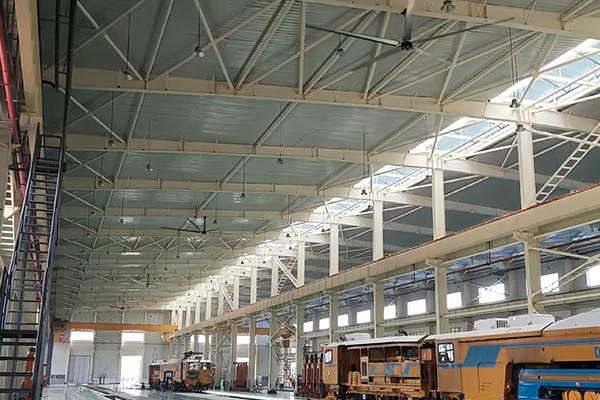
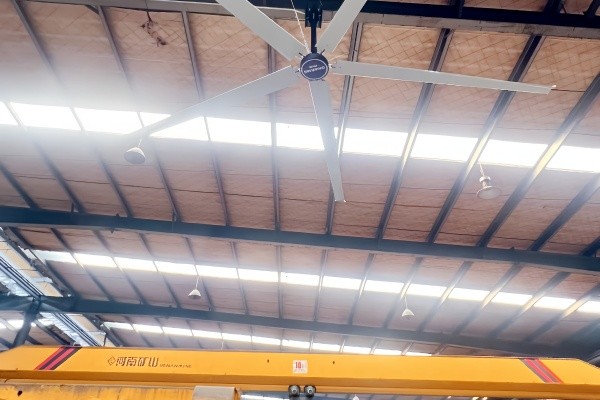
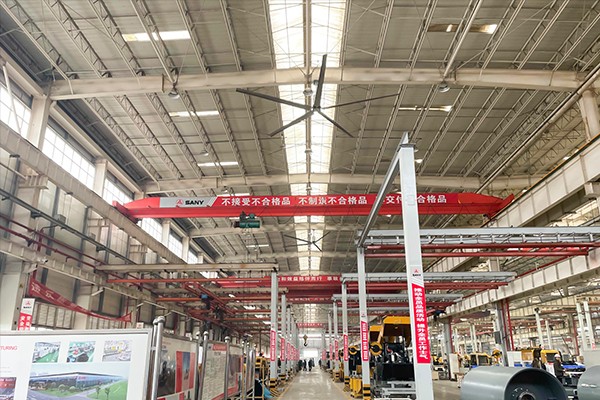
A showroom tells you what a fan looks like. Records tell you what ten thousand fans will be like. When auditing an industrial ceiling fan supplier, ask questions that require a document as the answer.
Six questions
Incoming material — Which aluminium alloy and temper for blades, and how is wall thickness and straightness checked per batch?
Motor testing — Can I see load, temperature-rise, insulation and low-speed efficiency curves for this exact model?
Balancing — How is the blade set matched and what vibration threshold triggers rejection?
Torque traceability — Are hub and hanger fastener torque values recorded per unit, with anti-loosening marks?
Run test — How long is the powered test, and are forward/reverse, speed steps and group-control comms all verified?
Nonconformance — Show me a closed corrective-action record from the last six months.
Why these specifically
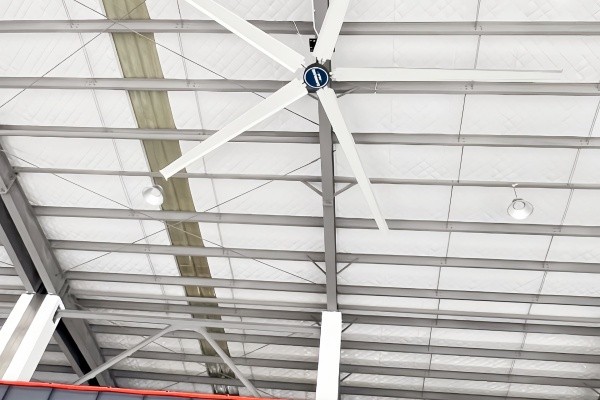
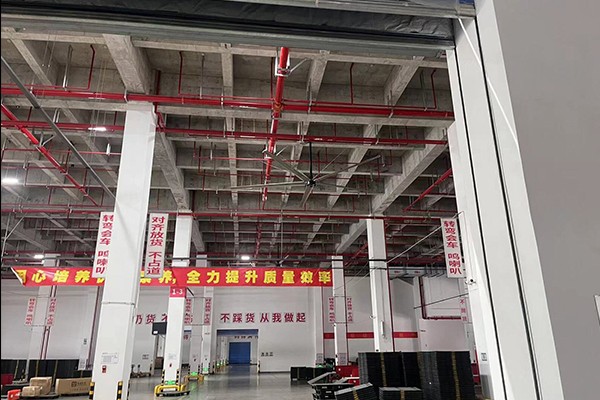
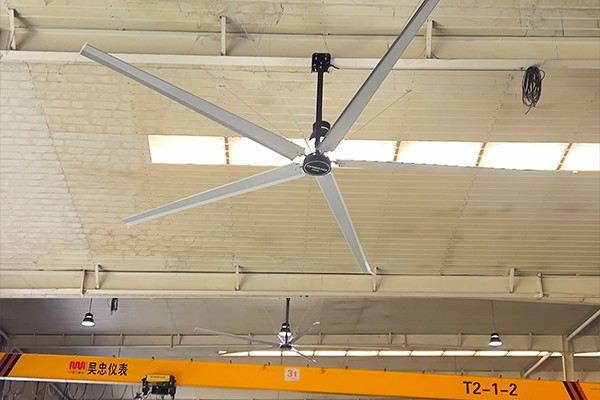
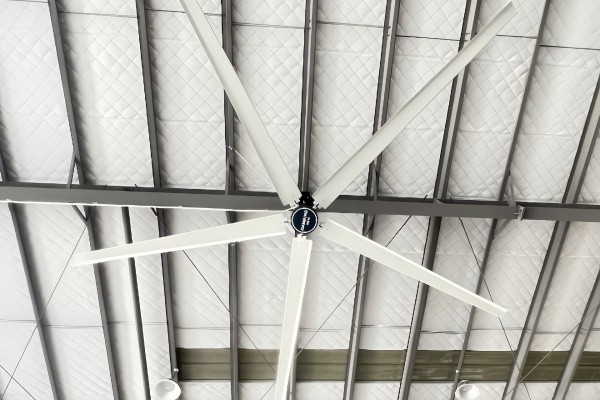
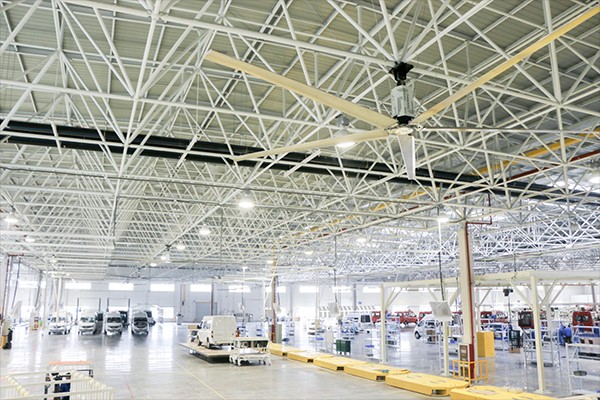
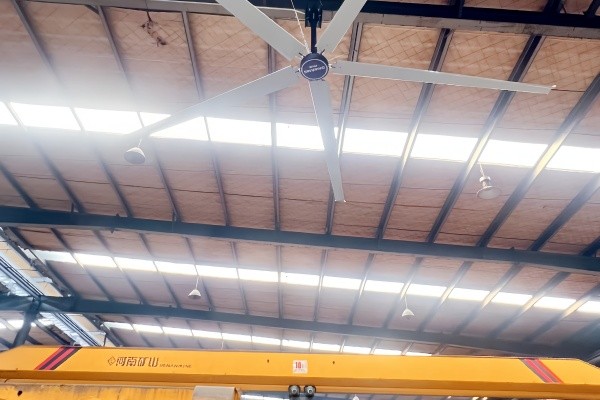
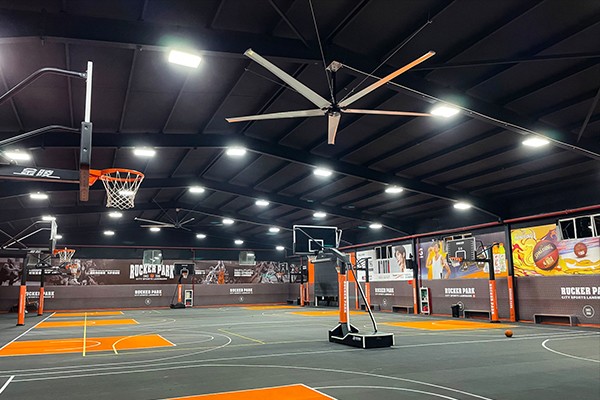
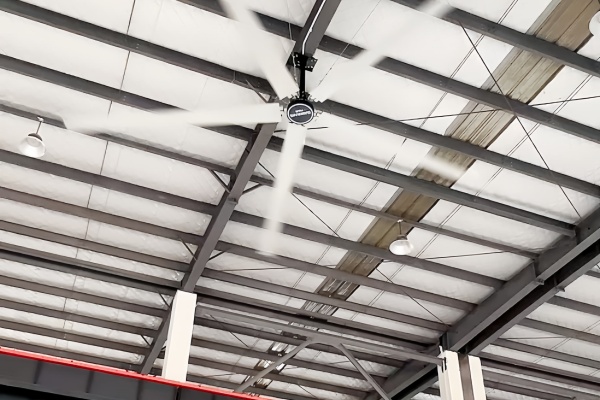
A Warehouse HVLS Fan is a rotating mass suspended over people. The failure modes are slow: gradual loosening, imbalance, gearbox wear, seal degradation. None of them show up in a ten-minute demonstration, and all of them show up in records.
Red flags
Certificates for a different model series; peak airflow data with no low-speed curve; "we test everything" without a log; no defined responsibility for structural review; no spare-parts list.
Context for overseas buyers
If you are qualifying an HVLS fan manufacturer China remotely, request a live video walkthrough of the test bench and a sample document pack before booking a flight. Third-party audits (for example TÜV) are useful supporting evidence but do not replace model-specific test data.
DAWANG FAN designs and manufactures HVLS fans in-house, holds ISO 9001/14001/45001 certification and TÜV factory audit, and provides a 4S maintenance system with inspection records across the equipment lifecycle.
Takeaway: Ask for the logbook. A real manufacturer is happy to open it.