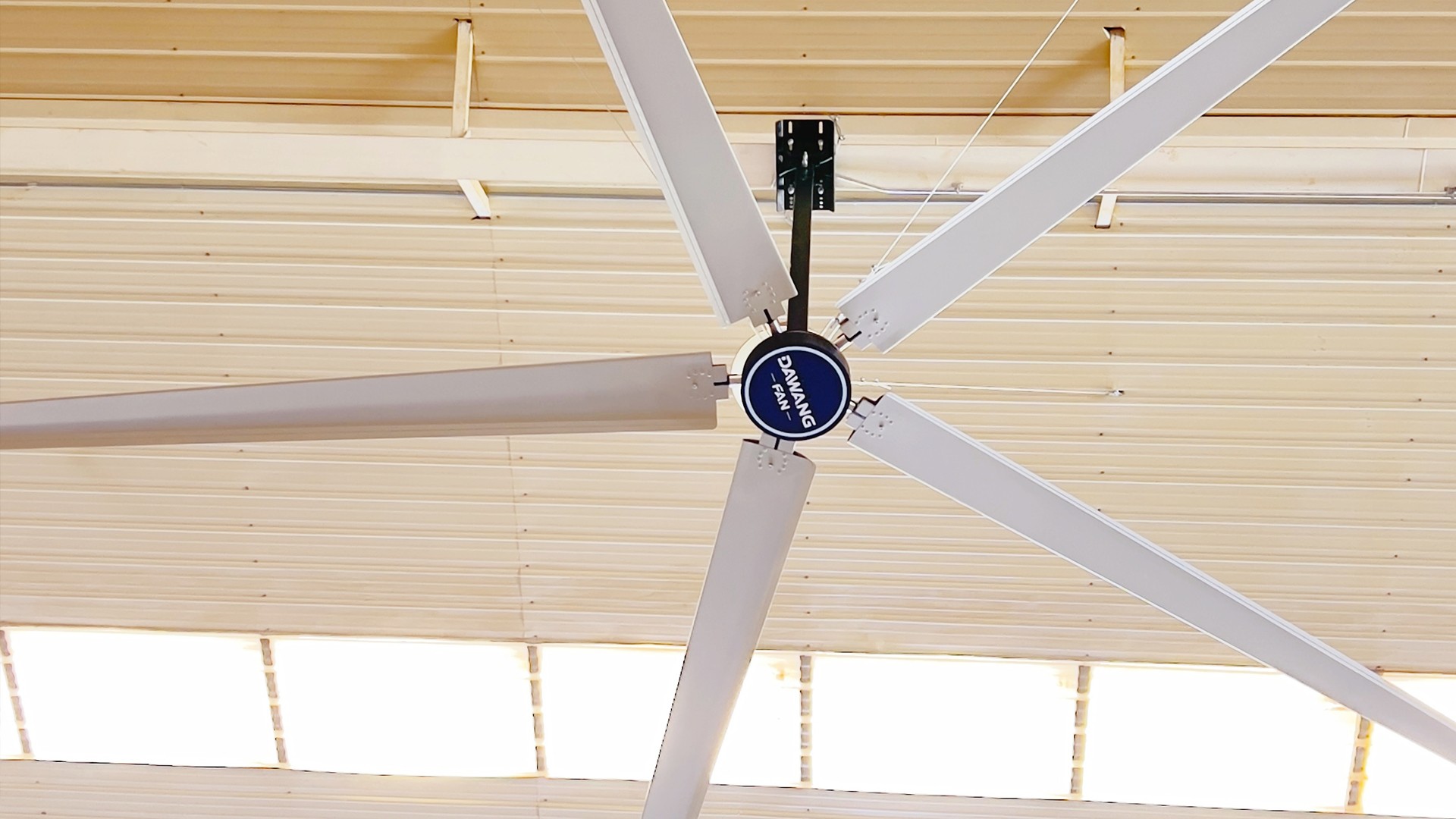
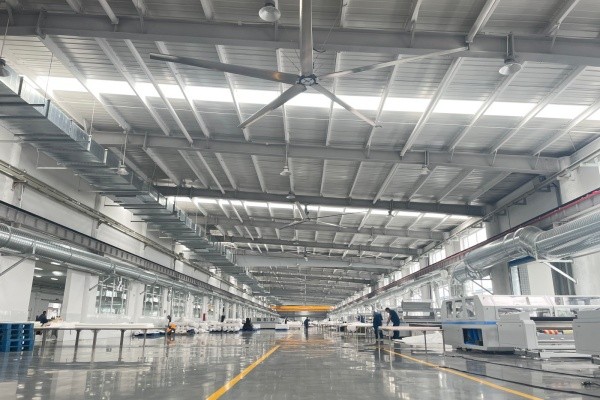
A 7.3 m (24 ft) HVLS fan is usually rated around 1.1–1.5 kW, so one hour at full load costs roughly 1–1.5 kWh. But almost nobody runs it at full load all year.
The model
Daily cost ≈ Rated power (kW) × operating hours × load factor × tariff
The load factor is the number most spreadsheets get wrong. Fans spend much of the year at partial speed; in winter a Warehouse HVLS Fan may sit at the lowest reverse setting, drawing well below its nameplate rating. Group control with time schedules reduces it further.
Compare on equal coverage
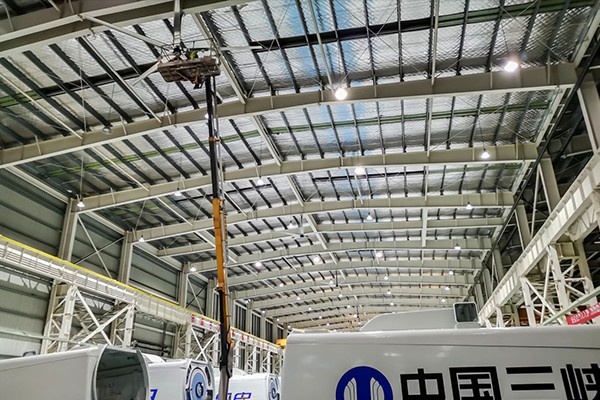
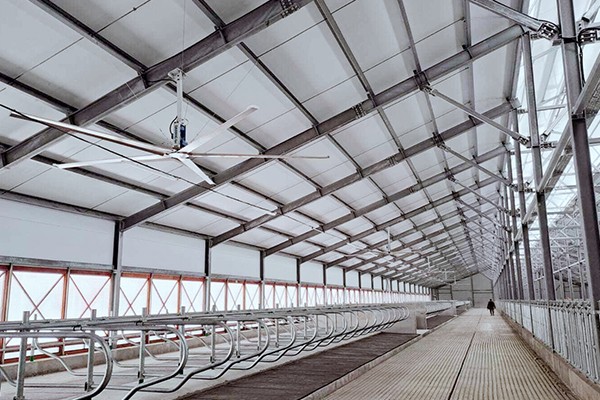
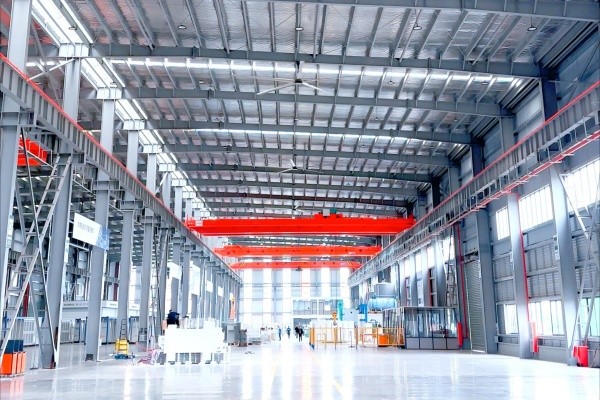
One large unit can condition well over a thousand square metres of floor area. Matching that air movement with small floor fans takes dozens of units — plus wiring points, floor space, maintenance visits and replacement cycles. Compare total installed power and total cost of ownership for the same area, never one large fan against one small fan.
Include the heating side
In winter, the meaningful saving is often on the heating bill rather than the fan's own consumption. Blending roof-level warm air down to working height reduces heater cycling and lets you avoid raising the thermostat setpoint. Log both: fan kWh and heating kWh.
Seasonal profile example
Season | Direction | Speed | Main objective |
Summer | Forward | Medium–high | Evaporative comfort |
Winter | Reverse | Low | Heat destratification |
Rainy season | Either | Low–medium, continuous | Condensation control |
Unoccupied | Scheduled | Minimum / intermittent | Baseline circulation |
What to ask suppliers
Request the power curve across the rpm range rather than a single rated value. Any experienced industrial ceiling fan supplier should provide it, and a transparent HVLS fan manufacturer China will also share run-test data.
DAWANG FAN's W.Fans series spans 3.6–8.5 m with rated power of approximately 0.4–1.5 kW and 10–85 rpm; the vertical DW.Fans series averages ≤0.8 kWh. Refer to the nameplate of the specific model.
Takeaway: Model the year, not the hour — and count the heating side.